Wondering whether bayfront or near-ocean living is the better fit in Fenwick Island? It is a smart question, because in this narrow coastal town, both options put you close to the water, but the day-to-day lifestyle can feel very different. If you are deciding between boating access, beach walkability, flood considerations, and seasonal rules, this guide will help you compare the tradeoffs with more confidence. Let’s dive in.
Why the Choice Feels Different in Fenwick Island
Fenwick Island sits between Little Assawoman Bay and the Atlantic Ocean, so your decision is often less about how far you are from the water and more about what kind of water access you want most. In practical terms, buyers are usually comparing boating-focused living on the bay side with beach-focused living near the ocean.
That distinction matters because the town’s layout, public beach access, canal system, and coastal conditions all shape how a home lives day to day. It is also a place where flood exposure, parking rules, and waterfront regulations deserve close attention before you buy.
Bayfront Living in Fenwick Island
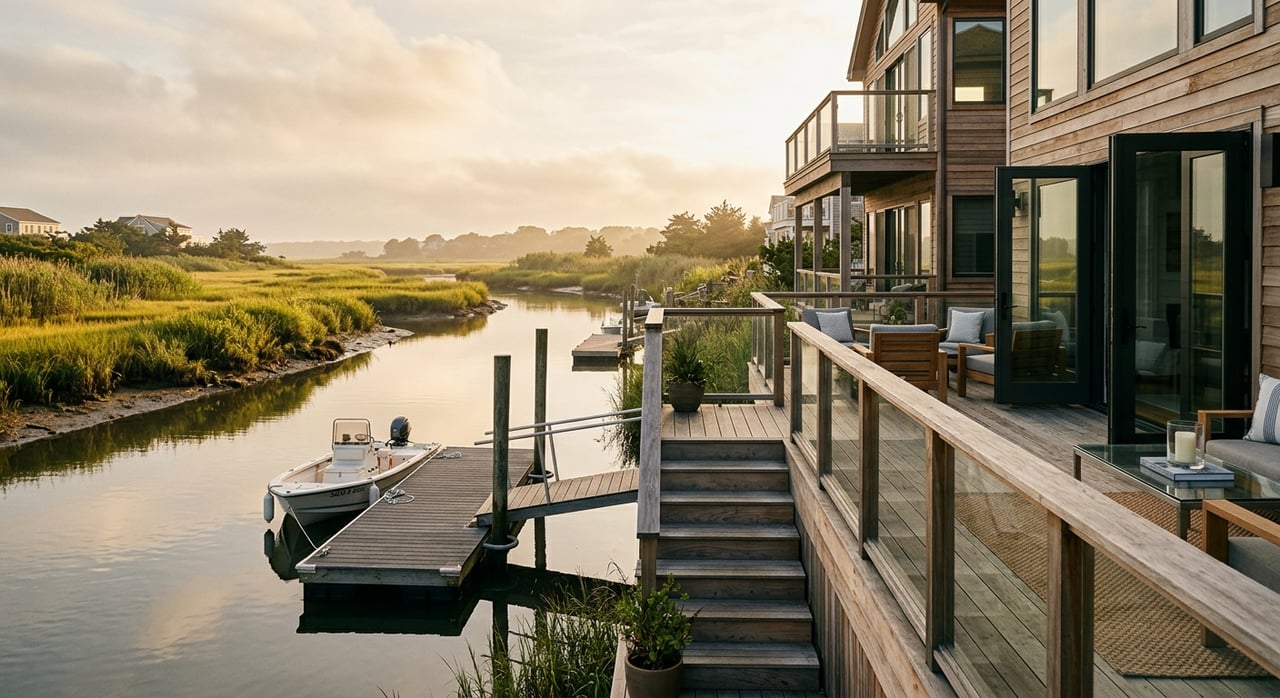
Bayfront homes tend to appeal to buyers who picture themselves using the water regularly for boating, kayaking, crabbing, or simply enjoying open bay views. On Fenwick’s western edge, that lifestyle is closely tied to Little Assawoman Bay and the town’s canal and channel system.
If your ideal coastal routine includes launching a boat, stepping onto a dock, or watching the sunset over the bay, bayfront living may feel like the strongest match. For many second-home buyers, that kind of direct water connection is the main draw.
Best fit for boating and views
The biggest advantage of bayfront property is access. You may have the potential for docks, lifts, bulkheads, and other waterfront improvements that support boating and shoreline use, depending on the property and approvals.
That said, not every bayfront setup is equally simple or equally usable. Legal access, water depth, shoreline condition, and navigability can all affect how functional the property really is.
Bayfront upkeep is part of the deal
Bayfront living usually comes with more hands-on waterfront maintenance than a typical inland lot. Fenwick requires permits for bulkheads, docks, piers, boat ramps, lifts, boathouses, pilings, and similar structures.
For work in lagoons or canals, approvals from DNREC and the U.S. Army Corps of Engineers are also required before the Town issues its permit. That means waterfront improvements may involve more planning, more review, and more long-term upkeep than some buyers expect.
Flood exposure deserves extra attention
Fenwick Island is vulnerable to tidal inundation and storm surge because of its location between the bay and the ocean. The Town has also noted high-tide flooding on bayside streets such as Schulz Road.
For you as a buyer, that means flood diligence is not optional. You will want to look closely at drainage, shoreline protection, elevation, and any history of water intrusion or storm-related cleanup.
Canal-Adjacent Living as a Middle Ground
Canal-adjacent homes often offer a middle option between open bayfront and near-ocean living. They can give you water access with a more protected feel, which may appeal if you like boating but prefer calmer water conditions.
In Fenwick, however, proximity to a canal does not always mean the same thing from one property to the next. The real value often comes down to the legal and physical details of access.
Verify rights, access, and water depth
When you look at a canal-adjacent home, ask whether the property includes private dock rights, shared access, or only a water view. Two homes may appear similar online but function very differently once you confirm what is actually included.
It is also worth asking about depth at low tide, channel maintenance, and whether recent dredging improved navigation for that specific stretch. Fenwick’s dredging project began in response to sedimentation that had reduced navigability and boating safety, and the Town later reported completion of the channel-marker phase.
Near-Ocean Living in Fenwick Island
Near-ocean homes are usually the better fit if your top priority is a short walk to the beach and a lifestyle built around sand, surf, and seasonal beach use. If you picture morning walks, easy beach days, and hearing the ocean nearby, this side of town may feel more natural.
For many buyers, especially second-home purchasers, the appeal is simple: the beach becomes part of your everyday routine. But in Fenwick, beach access is managed, so convenience can vary more by block than you might expect.
Beach access and walkability matter most
Fenwick’s public beach runs from Lewes Street to E. Atlantic Street. The Town’s Beach Patrol coverage runs from Memorial Day weekend and the first weekend in June through Labor Day weekend, and the town also provides beach access assistance, beach wheelchairs, and ADA Mobi-Mats.
If you are choosing near-ocean living, it helps to think beyond a map pin. A home may be close to the beach in distance, but the actual ease of use can depend on parking rules, public access points, and how you expect guests to visit.
Parking can shape your experience
From May 15 through September 15, the Town requires permits for parking on town streets and beach ends. Blue resident hangtags are reserved for property owners within Fenwick’s corporate limits.
That makes parking a real lifestyle factor for near-ocean homes. If you plan to host friends or family, ask how visitor parking works and whether the beach access nearby feels practical during peak season.
Beach living comes with public-beach rules
Fenwick’s beach rules affect daily use more than some buyers expect. Seasonal restrictions apply to alcohol, pets, smoking, bonfires, glass, and overnight sleeping.
So while near-ocean living offers classic coastal convenience, it is still a regulated public-beach environment rather than a private beachfront experience. That distinction can be important if you are comparing Fenwick with other shore markets.
The beach is actively managed
Near-ocean buyers should also know that the shoreline is not static. DNREC identifies Fenwick Island as part of Delaware’s beach nourishment program, and dunes are protected because they help defend the coastline during storms.
In practical terms, you should expect an actively managed beachfront shaped by nourishment, erosion response, and dune protection. That is a normal part of ocean-side ownership here.
Housing Mix Near the Ocean
Near the beach, the housing stock can vary by block. Fenwick’s zoning is built around detached single-family homes, but it also includes townhouse provisions and a 30-foot height limit.
Planning documents also describe a long-standing mix of individually built homes, with some older cottages replaced over time by larger vacation homes. As you tour properties, expect a mix of older cottages, rebuilt single-family homes, and some attached forms depending on the location.
Flood and Insurance Questions to Ask
Whether you are leaning bayfront, canal-adjacent, or near-ocean, flood review should be one of your first due-diligence steps. Fenwick participates in the National Flood Insurance Program and also in FEMA’s Community Rating System, with qualifying owners receiving a 5% flood-insurance premium discount.
The Town also states that special flood hazard areas exist within Fenwick Island, with maps and studies on file at Town Hall. That means insurance quotes, flood zone information, and elevation details should all be part of your early research.
Key questions for any waterfront purchase
Before you move forward on a property, consider asking:
- What flood zone is the home in?
- What is the elevation of the structure?
- What are current flood-insurance costs?
- Is there any history of repetitive water intrusion?
- Has the property needed storm-related cleanup or repairs?
- Are there existing permits or approvals for docks, bulkheads, or waterfront structures?
These questions are important on both sides of town. In Fenwick, the difference is often not whether flood risk exists, but how that risk shows up in the property’s location and maintenance needs.
HOA and Property Rules Still Matter
Town rules are only part of the picture. Fenwick’s flood code states that deed restrictions, covenants, and easements are not displaced by Town regulations.
That means you should review HOA or condo documents carefully rather than assuming the Town code is the only rulebook. This is especially important if the property involves shared waterfront access, exterior changes, parking, or dock use.
Bayfront vs Near-Ocean: A Simple Buyer Framework
If you are trying to narrow the choice, it helps to start with your real day-to-day priorities rather than the listing photos.
Choose bayfront if boating leads your list
Bayfront may be the better fit if you care most about:
- Boating access
- Dock potential
- Bay views
- Kayaking or crabbing
- A water-focused lifestyle beyond the beach
Your main questions should focus on usability. Confirm whether the water access is both legal and practical, whether any dock or bulkhead is permitted, and how much flood-related or shoreline maintenance you are comfortable taking on.
Choose canal-adjacent if you want balance
Canal-adjacent living may work best if you want:
- Water access with a more protected feel
- Potential boating use without open-bay exposure
- A middle ground between boating and broader in-town convenience
Here, the details matter most. Verify rights, depth, maintenance, and whether dredging and navigation conditions support how you plan to use the water.
Choose near-ocean if beach use comes first
Near-ocean living is often the right choice if you value:
- A short beach walk
- Daily access to surf and sand
- Seasonal beach routines
- A classic coastal neighborhood feel
In this case, focus on how the location functions in summer. Ask how parking works, how easy public beach access feels, and whether you are comfortable with nourishment, dune protections, and seasonal beach rules.
The Bottom Line on Fenwick Island Living
In Fenwick Island, the decision is rarely between water and no water. More often, it is a choice between different kinds of waterfront access and the tradeoffs that come with each one.
Bayfront and canal-adjacent homes tend to favor boating, dock potential, and more property-specific maintenance. Near-ocean homes tend to favor beach walkability, seasonal access patterns, and the realities of living next to a managed public shoreline.
If you want help comparing blocks, reviewing property details, or narrowing your search based on how you actually plan to use the home, The Delashore Team can help you make a more informed move in Fenwick Island.
FAQs
What is the main difference between bayfront and near-ocean living in Fenwick Island?
- Bayfront living is usually better for boating, docks, and bay views, while near-ocean living is usually better for beach walkability and daily beach use.
What should you ask before buying a canal-adjacent home in Fenwick Island?
- Ask whether the property has private dock rights, shared water access, or only a view, and confirm depth, navigation, and channel maintenance.
What parking rules affect near-ocean homes in Fenwick Island?
- From May 15 through September 15, parking on town streets and beach ends requires permits, which can affect convenience for owners and guests.
What flood questions matter for waterfront homes in Fenwick Island?
- You should confirm the flood zone, elevation, insurance cost, and any history of repetitive water intrusion or storm-related cleanup.
What regulations affect docks and bulkheads in Fenwick Island?
- Fenwick requires permits for bulkheads, docks, piers, lifts, ramps, and similar structures, and lagoon or canal work also needs outside approvals before the Town issues a permit.
What is the beach experience like near the ocean in Fenwick Island?
- Near-ocean living offers easy access to a public beach with seasonal patrol coverage and access assistance, but it also comes with rules on things like pets, smoking, alcohol, bonfires, and overnight sleeping.