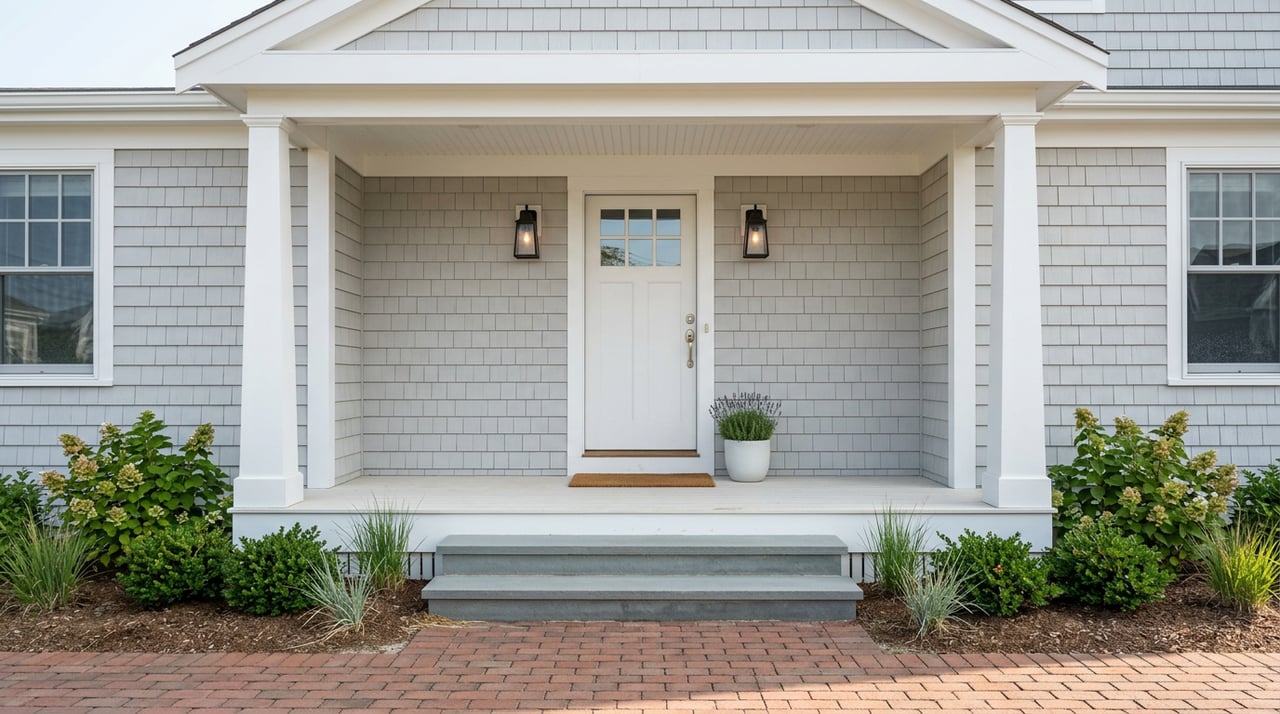
Choosing between Lewes’s brick-lined streets and a brand-new community is a good problem to have. You want the right blend of lifestyle, convenience, and long-term value, and the options feel very different. This guide breaks down what you gain with historic in-town charm versus newer, amenity-rich neighborhoods so you can buy with confidence. You will learn about architecture and feel, maintenance and HOAs, price context, flood and utilities, plus a quick buyer checklist. Let’s dive in.
How Lewes living differs
Lewes offers two distinct experiences. In-town historic blocks center your day around walks to shops and the canal, porches with character, and layered architecture. Newer planned communities trade proximity for modern systems, larger floor plans, and resort-style amenities managed by an HOA.
Both choices hold strong appeal. The best fit depends on how you like to live, what upkeep you want, and how you plan to use the home year-round or seasonally.
Historic in-town: what to expect
Character and walkability
The core of Lewes sits within the National Register historic district and adjacent blocks. You will see colonial and Georgian cottages next to 19th-century vernacular and Victorian-era homes along tree-lined streets. The Lewes Historical Society maintains resources and walking tours that highlight the town’s layers of history. Explore local context through the Lewes Historical Society’s site.
Compact blocks, narrow streets, and parks make daily life highly walkable. You can stroll to Market and Second Street, the canalfront, and hop over to Cape Henlopen. If your priority is a porch coffee before a walk to dinner, in-town delivers.
Maintenance and regulations
Older homes reward you with original trim, wood floors, and classic porches. They also ask for more hands-on care. Expect ongoing painting, exterior woodwork, and potential updates to older plumbing or electrical. If the home predates 1978, learn about safe practices for lead-based paint from the EPA’s guidance.
In designated historic areas, exterior changes may require review. The City’s comprehensive plan outlines preservation goals and review processes so you can plan timelines and costs accordingly. See the City’s overview in the Comprehensive Plan.
Flood and insurance notes
Lewes’s setting includes bay-facing and canal-adjacent blocks. City planning documents identify an Erosion/Wave Zone along Bay Avenue and Canal Flooding Zones where tides and storm surge can affect streets and structures. Check FEMA flood maps for your parcel, request any Elevation Certificate, and price insurance early. Local planning like the West Cedar Avenue Flood Study provides helpful context.
Regional tide gauges also show a multi-decade rise in mean sea level, which informs local mitigation planning. Review the NOAA trend summary for Lewes and nearby stations in NOAA’s sea level trends.
Price context in town
In-town pricing varies widely. Smaller historic cottages often start in the mid-400s and move up fast with location and renovations. Larger restored homes or bay-proximate properties commonly trade in the 700s to 1.5M and above. Medians fluctuate month to month across sources; confirm block-level comps with current MLS data before you offer.
Newer planned communities: what to expect
Lifestyle and amenities
Lewes-area planned communities feature detached homes and townhomes with coastal or craftsman-inspired designs, modern floor plans, and uniform public spaces. Many offer pools, clubhouse fitness, tennis or pickleball, trails, and occasionally private beach access or fishing piers.
These neighborhoods sit a short drive from downtown rather than a short walk. If you want on-site recreation and social programming without leaving the community, this setup is a plus.
HOA costs and rules
Amenities come with an HOA. Dues vary significantly based on features. Representative snapshots in the Lewes area show examples ranging from roughly $1,600 per year for established amenity communities to about $5,000 per year for bayfront neighborhoods with private beach and pier access, and around $295 per month in newer master plans with larger amenity packages. Always verify the current dues, budget, reserve study, rental rules, and any special assessments in the resale certificate or HOA packet. For what to request and why it matters, review this overview of Delaware HOA resale packages.
HOAs also guide exterior standards and landscaping to keep a consistent streetscape. Understand the rules before you buy so your preferences and the community’s guidelines align.
Maintenance outlook
Newer roofs, siding, windows, and HVAC systems often reduce near-term capital expenses. HOAs frequently handle common-area landscaping and amenities. You still want thorough inspections, but the routine exterior lift is lighter than an in-town historic home. Budget HOA dues alongside your mortgage, taxes, and insurance to see the full picture.
Price context in communities
Newer construction in master plans often sells from the 700s into the low 1Ms depending on home size, finishes, and lot. High-end bayfront homes in amenity neighborhoods can reach the 1M to 2M-plus range. As with in-town, confirm up-to-the-minute comps in the specific community before you write an offer.
Flood, utilities, and practicalities
- Flood risk varies by parcel. In-town bay and canal edges see distinct exposures, while many planned communities sit slightly inland. Always run a FEMA map check, request an Elevation Certificate if available, and obtain quotes for NFIP and private flood insurance before you waive contingencies. City reports provide helpful local context on areas prioritized for mitigation, such as West Cedar Avenue in recent studies.
- Sea level trends matter over time. NOAA’s long-term data for the region shows a rising mean sea level, which can affect nuisance flooding frequency and potential insurance costs. Use this insight to plan long-term maintenance and mitigation strategies.
- Utilities differ by location. In-town properties connect to municipal electric, water, and sewer through Lewes Board of Public Works. Many newer developments are also on public systems, while some peripheral lots historically relied on septic before sewer extensions. Confirm service and any tap or impact fees with Lewes BPW.
Which fit is right for you?
- Choose historic in-town if you want walk-to-everything living, architectural character, and a strong sense of place. Plan for hands-on maintenance and historic review for visible exterior changes.
- Choose newer planned communities if you prefer modern systems, larger floor plans, and on-site amenities with HOA-managed upkeep. Plan for monthly or annual dues and community rules.
Both paths can hold value. Walkability, waterfront access, and well-run HOAs tend to sustain demand. Use neighborhood-level comps and your lifestyle priorities to guide the decision.
Quick buyer checklist
- Clarify lifestyle: daily walkability vs. on-site amenities and larger floor plans. Helpful context lives with the Lewes Historical Society.
- Request MLS comps: block-by-block for in-town and model-by-model for communities.
- If considering a historic home: plan inspections for electrical, plumbing, masonry, and potential lead paint. Review preservation rules in the City’s Comprehensive Plan.
- If considering a planned community: order the HOA resale packet, reserve study, budget, meeting minutes, and rental rules. See what to expect in a Delaware resale package.
- Flood diligence: run a FEMA map check, ask for any Elevation Certificate, and get quotes for NFIP and private policies. Review local context in the West Cedar Flood Study and regional trends via NOAA.
- Utilities: confirm electric, water, and sewer connections and any fees with Lewes BPW.
- Planning a historic rehab: some certified projects may qualify for state and federal credits. Start early with the Delaware Historic Preservation Tax Credit program and NPS guidance.
- Schools and commute: verify bus routes, commute times, healthcare access, and seasonal traffic patterns as part of your relocation plan.
Next steps and how we help
You deserve a smooth, confident move. Our team combines deep Lewes expertise with builder knowledge and a client-first process tailored to relocation and second-home buyers. Whether you are weighing a Market Street porch or a clubhouse and pool, we will help you compare true costs, review HOA documents, confirm flood and utilities, and secure the right home at the right terms.
Have questions or want block-level comps and community comparisons? Reach out to The Delashore Team for a custom consult.
FAQs
What is the main difference between historic in-town Lewes and newer communities?
- In-town offers walkability and architectural character with more hands-on maintenance and possible historic review, while newer communities provide modern systems, larger floor plans, and HOA-managed amenities a short drive from downtown.
How much do HOAs cost in Lewes-area planned communities?
- Dues vary widely by amenities and services; examples range from about $1,600 per year to $5,000 per year, and some newer master plans charge around $295 per month. Always confirm current dues, reserves, and rules in the resale packet; see this overview of Delaware HOA resale packages.
Do I need flood insurance when buying in Lewes?
- It depends on your FEMA flood zone and lender requirements; verify the map, request any Elevation Certificate, and price NFIP and private options. City resources like the West Cedar Flood Study and NOAA sea level trends provide local context.
Are there tax incentives for restoring a historic home in Lewes?
- Some certified rehabilitation projects may qualify for Delaware’s Historic Preservation Tax Credit and the federal Historic Rehabilitation Tax Credit; start early with the state program portal and NPS guidance.
What inspections should I plan for with an older in-town house?
- Budget for a thorough general inspection plus evaluation of electrical, plumbing, masonry, and possible lead-based paint if the home predates 1978; review safe practices in the EPA’s lead renovation guidance.
Who provides utilities for in-town Lewes homes?
- The Lewes Board of Public Works operates electric, water, and sewer in town; confirm service, availability, and any tap or impact fees with Lewes BPW.