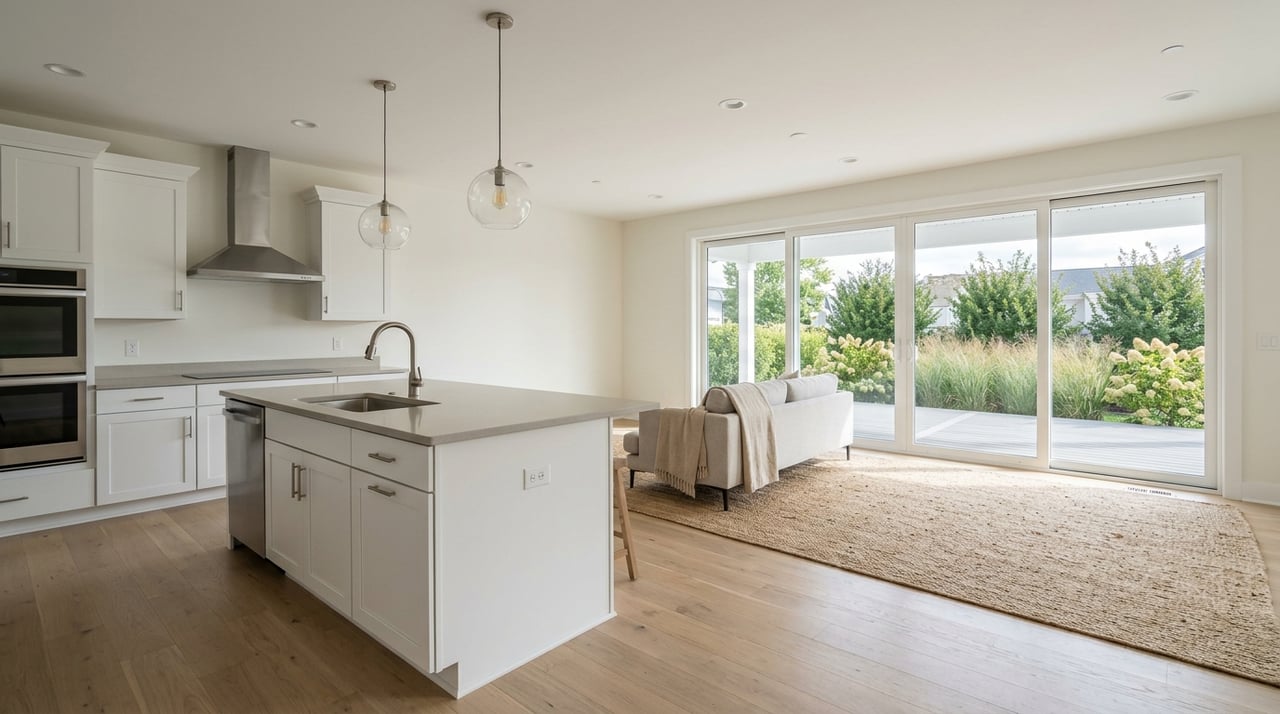
Buying a home from out of town can feel like a leap, especially when you are trying to evaluate not just the house, but also beach access, flood risk, and the day-to-day rhythm of coastal Delaware. If you are considering Lewes or nearby beach communities, the good news is that much of the process can be handled remotely with the right planning and local guidance. Here is how remote home buying works around Lewes and the beaches, what to watch closely, and how to move forward with confidence.
Why Lewes requires local context
Lewes is not a one-note market. According to the City of Lewes beach information, the area includes several distinct beach locations such as Roosevelt Inlet, Lewes Beach residential, Savannah Beach, Johnnie Walker Beach, Pilot Point, Port Lewes, and Cape Shores. That means your buying decision may involve more than square footage and finishes.
When you buy remotely, you are also weighing access, parking patterns, and how close a property sits to the bay and beach activity. The city also notes seasonal parking and beach rules, which can affect how owners and visitors use the area throughout the year. In a coastal market like Lewes, even a short distance can change the feel and function of a property.
How the remote buying process works
Start with virtual tours
Remote home buying usually begins with a digital search and a mix of photos, videos, floor plans, and live virtual showings. The National Association of Realtors notes that virtual tours can help buyers understand layout and speed up decision-making. For out-of-state and second-home buyers, this is often the first step in narrowing down the right options.
A virtual showing is most useful when you treat it like an active walkthrough instead of a passive video. You can ask to revisit rooms, look at storage, check sightlines, and get a better sense of outdoor space. In a place like Lewes, it also helps to ask about the setting around the home, not just the inside.
What to focus on during a virtual showing
- Room layout and flow
- Natural light at different times of day
- Exterior condition and drainage areas
- Porch, deck, garage, and storage space
- Street setting, nearby access points, and parking conditions
Write offers electronically
Once you are ready to move forward, Delaware law supports electronic contracts and signatures. Under Delaware’s Uniform Electronic Transactions Act, electronic records and signatures cannot be denied legal effect simply because they are electronic. In practical terms, that creates the legal foundation for writing and signing an offer without being physically present.
This makes remote transactions much more manageable for buyers relocating from another state or purchasing a second home. You can review terms, sign documents, and keep the process moving quickly while staying in close communication with your real estate team and lender.
Use inspections to fill the in-person gap
For remote buyers, inspections matter even more because they help confirm what you cannot personally evaluate on site. Delaware requires sellers of residential property to disclose known material defects in writing before the listing is signed and to update that disclosure before final settlement. The law also makes clear that the disclosure is not a substitute for inspections, as outlined in Delaware’s residential property disclosure requirements.
The National Association of Realtors explains in its consumer guide to home inspections that inspections commonly review structure, roofing, plumbing, electrical, HVAC, and ventilation, along with possible concerns such as mold, radon, lead paint, and asbestos. For a remote buyer, this stage often becomes the key reality check.
Why inspections are especially important near the coast
Coastal conditions can make due diligence more detailed. Moisture, drainage, wind exposure, and flood considerations may all shape your comfort level with a property. If you are buying in or around Lewes, review inspection findings carefully and make sure any follow-up questions are addressed before final settlement.
Pay close attention to flood risk
Flood due diligence is one of the most important parts of buying near Lewes and the Delaware beaches. The Delaware Department of Natural Resources and Environmental Control says the state has the lowest average land elevation in the United States and reminds residents that standard homeowners insurance does not cover flood damage. That alone makes flood review a must, not a maybe.
You can research a property using FEMA’s Flood Map Service Center and Delaware’s Flood Planning Tool, both referenced by DNREC as official public resources. Delaware’s seller disclosure form also asks whether any part of the property is in a flood zone or wetlands area and notes that flood insurance options may be available for most properties, as shown in the state-approved disclosure form.
Key flood questions to ask remotely
- Is any part of the property in a flood zone?
- Are there known drainage issues on the lot?
- Has the seller disclosed wetlands involvement?
- What insurance requirements may apply?
- How does the site sit relative to surrounding roads and properties?
Remote closing is possible in Delaware
Many buyers are surprised by how much of the closing process can now happen from a distance. Delaware allows remote notarization, and the state confirms that a Delaware notary may perform remote or electronic notarial acts using approved technology. State guidance also says the official record includes the notary journal and an audio-visual recording of the remote notarial act, as explained by the Delaware notary office.
On the recording side, Sussex County’s Recorder of Deeds accepts electronic recording through approved providers. Together, Delaware’s electronic signature law, remote notarization rules, and county e-recording system make a mostly remote closing feasible when your lender and settlement team support that workflow.
That said, remote does not mean automatic. Your lender, title company, and settlement timeline still need to align. A smooth transaction depends on making sure each party is ready for the same process.
Protect yourself from wire and deed fraud
Security should be part of your remote buying plan from the beginning. Sussex County offers a free Recording Activity Notification Service that can alert owners when a land record is recorded under their registered name. That is a useful post-closing safeguard for any buyer, especially one who purchased from out of state.
The Delaware Real Estate Commission also warns about seller impersonation and deed fraud scams. For remote buyers, that makes it even more important to verify wire instructions carefully, confirm identities, and avoid acting on last-minute changes sent by email alone.
Smart security steps for remote buyers
- Confirm wire instructions directly with the settlement office
- Verify any last-minute document changes by phone
- Keep copies of signed documents organized
- Register for Sussex County recording alerts after closing
Budget for transfer tax and closing costs
One question many remote buyers ask early is what Delaware closing costs look like. Under Delaware law, the realty transfer tax is generally 3% statewide, or 2.5% in places with local transfer taxes, and it is typically split equally between buyer and seller. There is also a possible benefit for qualifying first-time buyers.
If you qualify and the home will become your principal residence within 90 days, you may receive a 0.5% reduction in the buyer’s rate, capped at $2,000, on the first $400,000 of value. That is worth discussing early so you can build a more accurate cost estimate before you make an offer.
What remote buyers should expect in Lewes
A successful remote purchase in Lewes usually comes down to four parts: strong virtual touring, clean electronic paperwork, careful inspections, and a closing process designed for distance. The research supports the idea that yes, much of the transaction can happen remotely, but local coordination still matters at every stage.
That is especially true in a beach-area market where location details, flood questions, and seasonal patterns shape the ownership experience. If you want a smoother process, it helps to work with a local team that understands coastal Sussex County and can help you connect the digital process to real-world property conditions.
If you are exploring a move, second home, or coastal purchase from outside the area, The Delashore Team can help you navigate Lewes and the nearby beach markets with practical local insight and remote-friendly support.
FAQs
Can you buy a home remotely in Lewes, Delaware?
- Yes. Delaware law supports electronic signatures, remote notarization, and Sussex County e-recording, which makes much of the process possible from a distance when your lender and settlement team support it.
What should remote buyers review during a Lewes virtual home tour?
- Focus on layout, light, exterior condition, storage, outdoor living areas, and location factors such as access, parking, and the property’s setting within the beach area.
Are seller disclosures enough for a remote home purchase in Delaware?
- No. Delaware requires written disclosure of known material defects, but state law says those disclosures are not a substitute for inspections.
Why is flood risk important when buying near Lewes and the beaches?
- Delaware is highly flood-sensitive, and standard homeowners insurance does not cover flood damage, so buyers should review flood maps, disclosures, drainage, and possible insurance needs.
Can you close on a Sussex County home without traveling?
- In many cases, yes. Delaware allows remote notarization, and Sussex County accepts electronic recording, though your lender and settlement process still need to be coordinated.
What transfer tax should buyers expect in Delaware?
- Delaware’s realty transfer tax is generally 3%, or 2.5% where local transfer taxes apply, and it is typically split equally between buyer and seller, with a possible reduction for qualifying first-time buyers.