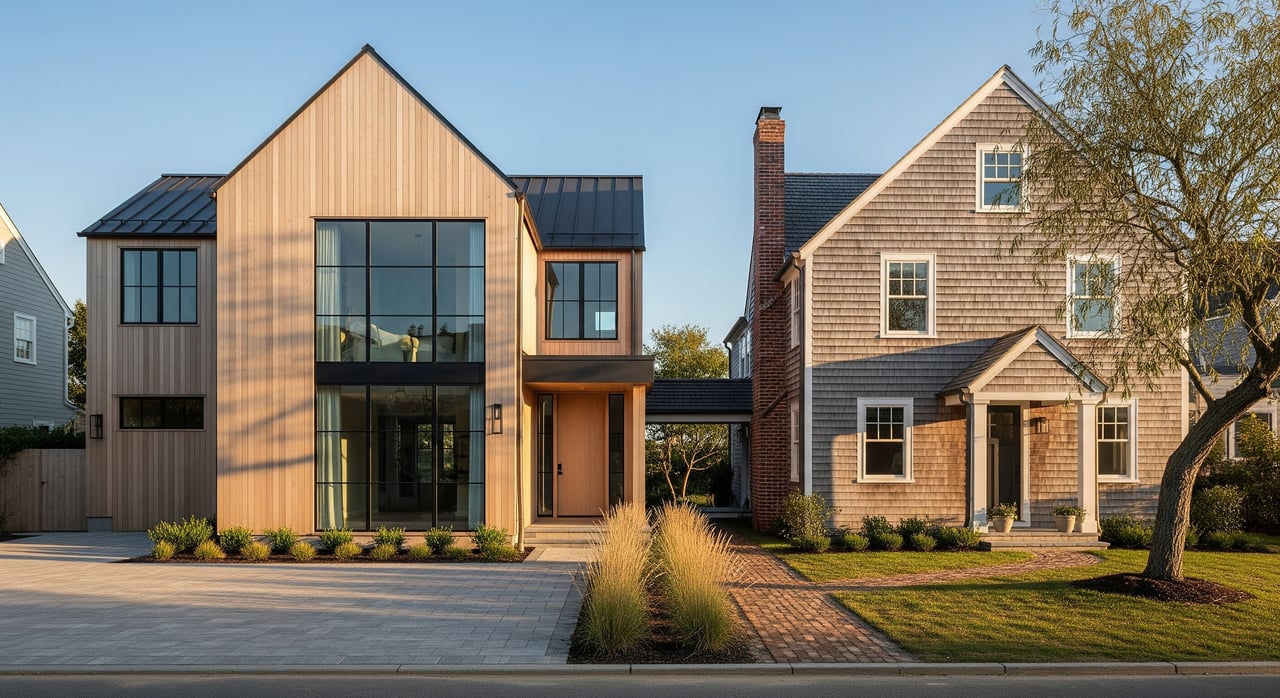
Thinking about buying in Milton but unsure whether a brand-new home or a resale makes more sense? You are not alone. The Milton area attracts a mix of retirees, second-home buyers, and relocating households, which means you will find both new communities and established neighborhoods. In this guide, you will learn how new construction and resale compare on price, ongoing costs, timelines, inspections, and upgrades so you can align your decision with your priorities. Let’s dive in.
Milton market snapshot
Milton and nearby Sussex County towns continue to see steady demand from people relocating from Mid-Atlantic metro areas, retirees, and second-home buyers. You will find active new subdivisions around town and in nearby county areas, alongside resale options in established neighborhoods. Local planning decisions and utility schedules can affect new-home timelines and lot availability, so it pays to verify details early. No matter your path, recent local sales are the best benchmark for value.
Cost and price per square foot
You will often pay a higher price per square foot for new construction than for a comparable resale home. That premium reflects new materials, modern layouts, energy features, and builder profit. Always compare apples to apples. Control for lot size, location, garage and basement, and finish level when you look at comps.
In the Milton area, proximity to the beaches and community amenities can widen or narrow the gap between new and resale. Focus on recent sold data in the same neighborhood or a directly comparable area. List prices alone do not tell the whole story.
Closing costs and incentives
Builders often offer incentives such as closing-cost help, interest-rate buydowns, or upgrade credits. These promotions change the net cost, but they vary by builder and market cycle. Resale sellers may offer concessions, yet buyers typically cover standard closing costs. If you are considering a custom build, construction-to-permanent financing can come with different fees and draw schedules than a conventional loan for a resale home.
Monthly and long-term costs
New homes typically deliver lower near-term maintenance because roofs, systems, and appliances are new. They are usually built to current energy codes, and energy-efficient options can reduce heating and cooling costs. Resale homes may come with a lower upfront price but can require earlier repairs or replacements. Budget for items like HVAC, roof, windows, or water heaters depending on the home’s age.
Property taxes depend on local assessments, and new builds can trigger reassessments. Insurance premiums vary based on age, construction, and location. Near the coast, factor in both wind coverage and potential flood insurance when you compare total monthly costs.
HOAs and amenities
Many new planned communities around Milton have homeowners associations that maintain common areas and offer amenities. Fees can range widely. Communities with pools, clubhouses, fitness centers, private roads, or landscaping services usually carry higher monthly costs than those covering only basics.
Some established neighborhoods have minimal or no HOA fees, though services and amenities may be limited. Look closely at what the HOA covers, including reserves, trash, lawn care, roads, or security. Your true monthly housing cost is the mortgage plus taxes, insurance, utilities, and HOA dues.
Timing and move-in readiness
If you need to move within 30 to 60 days, resale or a finished spec home can fit your timeline. Resale transactions commonly close in that window if financing, title, and inspections proceed smoothly. Spec homes can do the same.
Build-to-order homes require more time. Depending on complexity and supply conditions, construction can take several months to a year or more. Delays can occur if utilities or roads are not complete. If you must sell first or have a fixed move date, weigh timing risks carefully.
Inspections, warranties, and risk
With resale, you will typically conduct a comprehensive home inspection and negotiate repairs or credits based on findings. You can also order specialized inspections for septic, radon, moisture, or pests as needed.
With new construction, you should schedule independent inspections at key milestones, such as pre-drywall and pre-final. Builders may have rules about inspection access and timing, and they usually manage a punch-list process before closing. Most new homes include warranty coverage, often a 1-year workmanship list and longer structural protection. Read warranty terms closely so you understand coverage and claim procedures.
The tradeoff is different. Resale can expose you to latent issues that inspections may miss. New construction shifts many early-failure risks to the builder through warranties, but finish quality issues can require follow-up and coordination.
Financing and appraisal considerations
If you build custom, you may use construction-to-permanent financing with different qualification rules and draw schedules. Production builders often allow conventional mortgages at completion.
Think through contingencies. If you need to sell your current home first, confirm the builder’s policy on sale contingencies and any penalties if plans change. Appraisals can also be tricky when upgrades push your total above the base price. Lenders may not give full value to every upgrade, so you might pay some items upfront or adjust choices.
Insurance, flood, and utilities
In coastal Delaware, flood zones and wind exposure can impact ongoing costs for both new and resale homes. Even outside mapped high-risk zones, it is smart to review elevation information and insurance quotes for the specific property.
In the Milton area, some lots are on private septic while others have municipal sewer. Septic maintenance and replacement carry real costs, and new subdivisions may be on a schedule for sewer connections. In growing areas, confirm road finishes and utility timelines so you know what to expect after closing.
Upgrades: budget with intent
Builder upgrade pricing often carries a premium compared to hiring a third-party later. That premium reflects coordination and warranty coverage. Many builders use allowances for finishes. If you choose items above the allowance, you pay the difference, and credits for choosing below the allowance are not always offered. Change orders usually add both cost and time.
A good rule of thumb is to set aside 5 to 10 percent of the base contract as a contingency for upgrades and changes when building. For resale, plan a renovation and maintenance fund that can range from 1 to 3 percent of the purchase price per year depending on age and condition. Also budget for immediate post-close items like window coverings, landscaping, fencing, or exterior work that the builder may not provide.
Prioritize upgrades that are hard or expensive to add later. Examples include structural options, rough-ins for bathrooms, enhanced insulation or energy features, and accessibility elements. For cosmetic items, consider what you can reasonably change after closing if needed.
Simple decision framework
- Step 1: Define your top three priorities. Think timing, maintenance, amenities, lot maturity, upgrade budget, and risk tolerance.
- Step 2: Map priorities to tradeoffs. If you need a firm move date, favor resale or a spec home. If you want low maintenance and modern systems, lean new. If you prefer mature trees and established street patterns, look to resale. If resort-style amenities are a must and you are comfortable with HOA dues, a planned new community can fit.
- Step 3: Run a 10-year ownership estimate. Include mortgage, taxes, insurance, HOA, utilities, and maintenance. See how the new-home premium compares to expected maintenance and energy savings.
- Step 4: Consider risk tolerance. If you want predictable short-term costs and warranty protection, new construction can be a better match. If you are comfortable negotiating repairs and seeking price concessions, resale can be compelling.
Action checklist: new construction
- Request the builder’s sample contract, warranty documents, and a clear list of standard features versus upgrades.
- Ask for an itemized price sheet for common upgrades and examples of recent final costs.
- Get a construction schedule with milestone dates and remedies for delays.
- Arrange independent inspections at milestones and confirm punch-list and holdback policies.
- Review HOA covenants, budgets, reserves, and service levels.
- Obtain insurance quotes, including wind and flood as applicable.
Action checklist: resale
- Pull recent sold comps and price-per-square-foot data for the neighborhood or similar areas.
- Commission a full home inspection and order specialized inspections if warranted.
- Get contractor estimates for repairs or improvements noted in the inspection.
- Review recent utility costs and the property tax history.
Universal due diligence
- Check local zoning, permit history, and county approvals related to the lot or subdivision.
- Ask for builder references or seller documentation of recent renovations and permits.
- Talk to a local lender about financing options and total monthly payments including HOA and insurance.
How we can help
You do not have to navigate these choices alone. With deep builder experience and local market knowledge across Milton and the coastal Sussex corridor, our team helps you compare specific homes and communities side by side. We review comps, HOA budgets, timelines, warranties, inspection strategies, and upgrade choices so you can make a confident decision.
Whether you are planning a move this season or exploring a build in a new community, we can coordinate video tours, advise on contracts, and manage the details from offer to close. If you are ready to weigh your options in Milton, reach out to The Delashore Team for tailored guidance.
FAQs
What are the biggest cost differences in Milton?
- New construction often has a higher price per square foot and HOA costs if amenities are included, while resale can offer a lower upfront price but higher near-term maintenance and potential system replacements.
How long does a new build near Milton take?
- A move-in-ready spec home can close in roughly 30 to 60 days, while a build-to-order home commonly takes several months to a year or more depending on complexity and infrastructure timelines.
Do I still need inspections on new construction?
- Yes. Schedule independent inspections at stages like pre-drywall and pre-final, review the builder’s punch-list process, and understand warranty terms for workmanship and structural coverage.
How do HOA fees compare across communities?
- New planned communities with pools, clubhouses, or landscaping services typically have higher fees, while older neighborhoods may have low or no HOA dues but fewer shared amenities.
How should I budget for upgrades in a new build?
- Set aside 5 to 10 percent of the base contract for upgrades and changes, prioritize items that are costly to add later, and get written, itemized pricing before you sign.
Is flood insurance common in Milton, DE?
- It depends on the specific lot and flood zone, but coastal proximity and tidal creeks mean you should verify flood maps, elevation details, and obtain insurance quotes for any property you are considering.