Thinking about a move to Milford, Delaware? If you want a place that blends small-city convenience, varied housing choices, and easy access to everyday essentials, Milford deserves a closer look. Whether you are relocating for work, retirement, or a lifestyle change, this guide will help you understand what living in Milford may feel like and what to expect from the local housing landscape. Let’s dive in.
Why Milford Stands Out
Milford sits in both Kent and Sussex counties, which gives it a unique footprint within central and southern Delaware. City planning materials note that the north side of Milford is in Kent County, while the south side is in Sussex County.
The city has also been growing. Census QuickFacts show a 2025 population estimate of 14,723, up from 11,190 in 2020. For many relocation buyers, that kind of growth signals rising interest in the area and a community that continues to evolve.
Milford Housing at a Glance
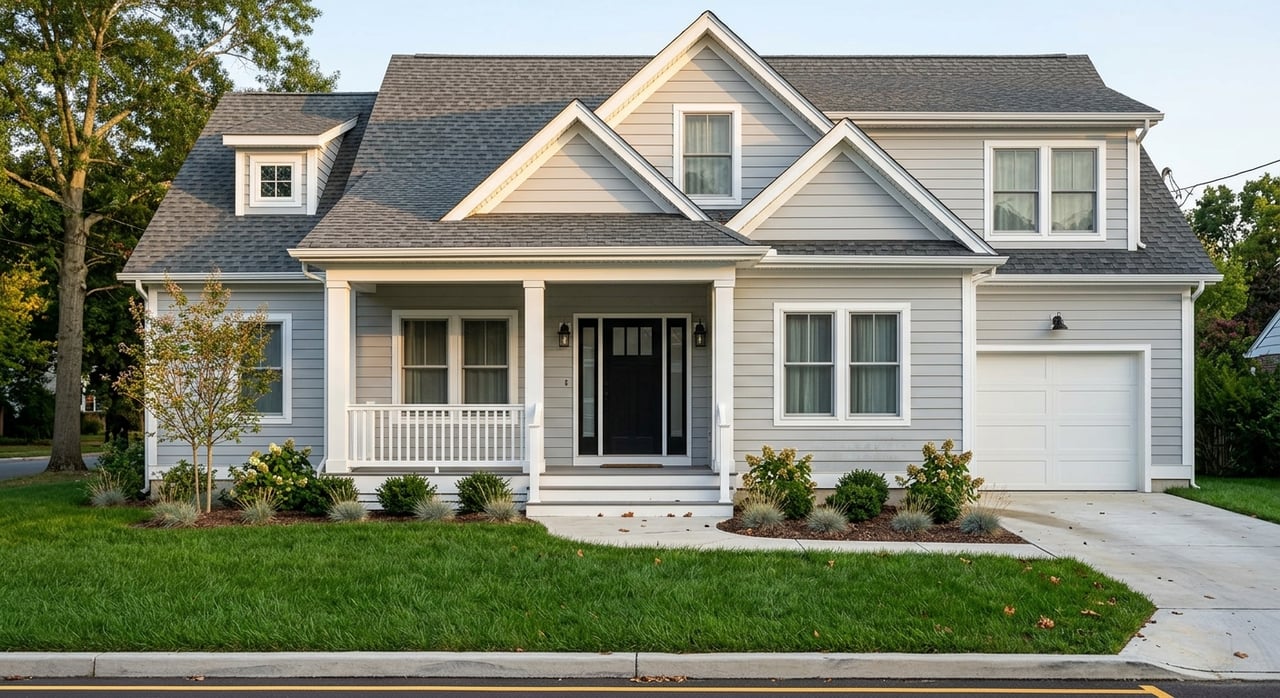
Milford offers a housing mix that appeals to different types of buyers. According to the latest Census QuickFacts, the city has 5,560 households, a 51.3% owner-occupied housing rate, a median owner-occupied home value of $296,900, and a median gross rent of $1,260.
That snapshot gives you a practical starting point, but the real story is in the range of home styles and settings. Milford is not a one-note market, which can be a real advantage if you want options.
Historic Homes Near Downtown
Milford’s housing story starts with its historic core. City history notes that the first streets and plots were laid out near Front Street, and today the downtown area remains a renewed center of community life.
If you are drawn to older homes, mature streetscapes, and a more walkable setting, the in-town areas near the riverfront may be worth exploring. These parts of Milford tend to attract buyers who value character and proximity to local shops, dining, and cultural spots.
Newer Construction Options
If you prefer a newer home, Milford also has visible signs of recent development. City resolutions reference communities and subdivisions including Milford Ponds, Lighthouse Estates, West Shore Subdivision, and Simpsons Crossing.
That matters for relocation buyers who want more modern layouts, newer systems, or less exterior upkeep than some older homes may require. It also aligns well with buyers who are comparing move-in-ready homes with newer neighborhood settings.
Edge-of-Town and Open-Space Feel
Milford also includes areas that feel more open and semi-rural around the edges of town. City planning materials describe a transfer of development rights program designed to preserve agricultural resources east of the city while directing density into designated receiving areas.
The result is a local housing mix that can include single-family detached homes, semi-detached homes, townhouses, and multi-family options. For you, that means Milford can offer both neighborhood-style living and a little more breathing room depending on where you look.
What Daily Life Looks Like in Milford
Relocating is about more than finding a house. You also want to know what daily life looks like once the boxes are unpacked.
Milford has a practical, grounded feel. It offers a mix of local businesses, healthcare access, community events, and regional road connections that make it easier to settle into a routine.
Downtown Amenities and Local Character
Downtown Milford plays a big role in the city’s appeal. Visit Delaware describes the area as home to boutique shops, local restaurants, breweries, a local theater, scenic walkways, and renovated mill buildings along the riverfront.
The same source specifically highlights places such as Dolce Bakery and Coffee Shop, Shock Vinyl, The Crafty Reader, and Farmacy Market. If you enjoy having locally owned spots nearby, downtown adds a lot of personality to everyday life.
Riverwalk and Community Events
One of Milford’s standout features is the Mispillion Riverwalk, which runs through downtown and is described by Visit Delaware as the largest municipal park in Delaware. For many buyers, that kind of public space adds real quality-of-life value.
Downtown Milford, Inc. also lists recurring events such as the Riverwalk Farmers Market, First Friday, the Bug & Bud Festival, and the Holiday Stroll. These events help create a sense of rhythm and connection throughout the year.
Shopping and Everyday Costs
For everyday errands, Milford combines local shopping with larger commercial corridors. City freight planning materials identify US 113 and DE 14/Route 1 as areas with concentrated commercial and industrial activity.
Another practical plus is that Delaware has no state or local sales tax. That may not be the only reason to move, but it can shape your everyday shopping experience in a meaningful way.
Healthcare Access in Milford
For many relocation buyers, healthcare is a major factor. Milford has strong in-town access to medical services, which is one of its most practical advantages.
Bayhealth Hospital, Sussex Campus is located at 100 Wellness Way and operates 24/7. Bayhealth also has the Milford Outpatient Center at 1020 Mattlind Way, which offers lab and imaging services including MRI, CT, PET, X-ray, and ultrasound.
Beebe Healthcare also operates Milford-based primary care and walk-in care at 100 Silicato Parkway. For you, that means many routine, specialty, and urgent medical needs can be handled locally rather than requiring a longer drive.
Commuting and Getting Around
Milford supports a mostly drive-based lifestyle. If you are relocating from a larger metro area, that may feel familiar in some ways and simpler in others.
The city’s key road corridors are US 113 and SR 1. City freight planning materials identify these as the main north-south roads serving Milford, while also noting that congestion along those corridors can be an issue.
City materials also reference access to Route 1, Route 113, Route 13, and Route 14. That regional reach can be helpful if you need to travel for work, appointments, or regular errands outside the city.
What to Expect From the Commute
Census QuickFacts list Milford’s mean travel time to work at 23.3 minutes. That suggests a manageable commute pattern for many residents, especially compared with more heavily congested markets.
At the same time, it is smart to plan around busy periods on the main corridors. If your schedule depends on regular travel, you may want to weigh home location against your most common routes.
Walkability and Shared-Use Paths
While Milford is largely car-oriented, the city is also working with DelDOT on shared-use paths along Route 113 and NW Front Street. That may improve connectivity for walking and biking in select areas over time.
For buyers who want a blend of local convenience and room to move around, this kind of infrastructure planning can be a positive sign. It shows ongoing attention to how residents connect within the city.
Is Milford a Good Fit for Your Move?
Milford can be a strong choice if you want a small-city base with a variety of housing options and practical day-to-day amenities. The city combines historic in-town blocks, newer subdivisions, and agricultural-edge areas in one market, which gives you flexibility depending on your lifestyle and budget.
It may be especially appealing if you value downtown character, in-town healthcare access, and road connections to other parts of Delaware. The main trade-off, based on city materials, is that the major corridors can feel busy at times.
If you are comparing Milford with other Delaware locations, it helps to think about what matters most to you. Do you want character and walkability, a newer home in a developing neighborhood, or a setting with a little more open space? Milford gives you more than one path.
When you are relocating, having local guidance can make a big difference, especially if you are trying to narrow down home styles, commute patterns, and the feel of different parts of town from a distance. If you are considering a move to Milford or nearby coastal Delaware, The Delashore Team can help you explore your options with practical, personalized support.
FAQs
What is the housing market like in Milford, Delaware?
- Milford offers a mix of historic in-town homes, newer subdivisions, and edge-of-town housing options. Census QuickFacts report a median owner-occupied home value of $296,900, and city planning materials show a range of allowed housing types including single-family, semi-detached, townhouse, and multi-family homes.
What is daily life like in Milford, Delaware?
- Daily life in Milford includes access to downtown shops, restaurants, breweries, scenic riverfront spaces, and community events such as the Riverwalk Farmers Market, First Friday, the Bug & Bud Festival, and the Holiday Stroll.
Is Milford, Delaware good for relocation buyers?
- Milford can be a strong fit for relocation buyers who want a small-city setting with practical amenities, healthcare access, and a variety of housing choices. It is especially useful for buyers who want a balance between local character and regional road access.
How is healthcare access in Milford, Delaware?
- Milford has strong local healthcare access, including Bayhealth Hospital, Sussex Campus, Bayhealth’s Milford Outpatient Center, and Beebe Healthcare primary care and walk-in care services in town.
What should you know about commuting in Milford, Delaware?
- Milford is mostly drive-based, with US 113 and SR 1 serving as key north-south routes. Census data lists a mean travel time to work of 23.3 minutes, though city materials note that congestion can occur along major corridors.
Does Milford, Delaware have a walkable downtown?
- Milford’s downtown offers a more walkable environment than many surrounding corridors, with shops, dining, a theater, and the Mispillion Riverwalk near the historic core. However, much of everyday travel in the wider area is still car-based.